


Trump’s Customs Policy: Polish Companies Facing New Trade Challenges
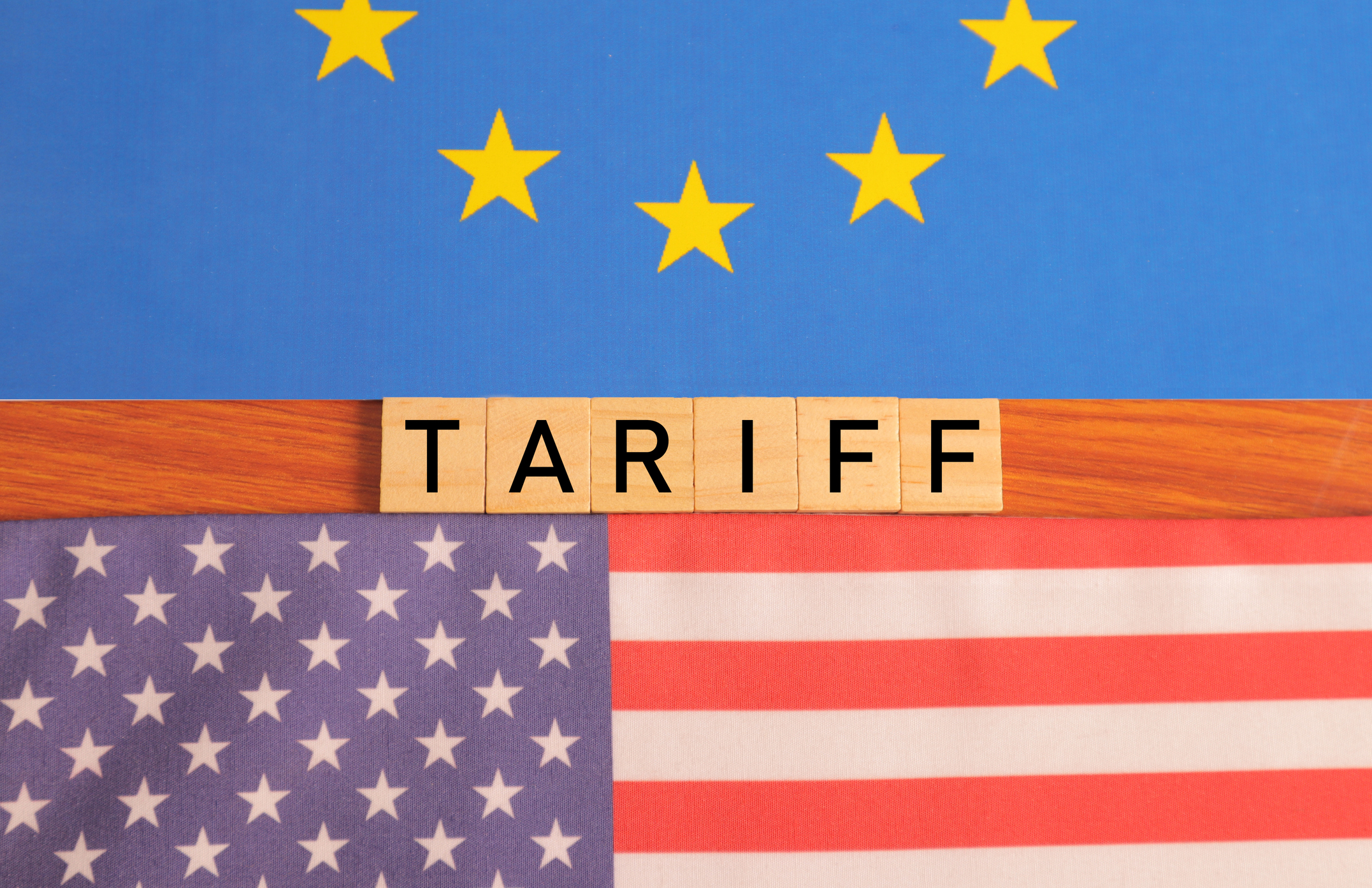
The United States and the European Union have reached an agreement on a trade deal.
“The customs policy of President Donald Trump’s administration introduces fundamental changes to the architecture of global trade,” comments Joanna Porath, owner of the customs agency AC Porath.
According to the agreement, a customs duty of 15% has been set on the majority of EU exports to the United States, including cars. Both parties will eliminate tariffs on aircraft, certain chemicals, generic drugs, and agricultural products.
Risks for Polish Industries
Poland, as an active member of the EU export chain, is directly exposed to the consequences of American policy. Polish products that will be most affected by the new tariffs include:
- steel, aluminum, and metal components
- parts for machinery and vehicles
- furniture, wood products, and household appliances
“The metal and machinery industries—sectors that have long been the pride of Polish industrial exports—may find themselves on the front line. Exports of steel semi-finished products, structures, and machine components could slow down almost overnight, as the new tariffs change the existing economic calculation and may lead to the exclusion of Polish products from the U.S. market,” explains Joanna Porath.
The situation looks equally concerning for the furniture industry. For years, Poland has been one of the leading exporters of furniture to the United States. The price competitiveness built on efficient logistics and high product quality may be undermined by sudden customs burdens. Furniture that becomes more expensive solely because it originates from the EU could disappear from U.S. store shelves faster than anyone expects.
“The most dangerous consequence could be the destabilization of the foundations of European exports. When the United States restricts imports from Germany or France, Polish companies that supply components, semi-finished products, and services within common supply chains will also suffer. This particularly applies to the automotive, household appliance, and electronics sectors. And since Poland is a vital supplier to Western production networks, any downturn affecting major European partners will also be felt along the Vistula,” explains customs expert Joanna Porath.
Cost Analysis and Use of Customs Procedures
In this situation, Polish companies should start acting. First, an in-depth analysis of total costs is necessary—not only production, but also transportation, customs clearance, storage fees, and reverse logistics. Second, diversification of sales markets should be considered.
“The United States is important, but it cannot be the only option. India, the Gulf countries, and ASEAN are becoming increasingly attractive not only geographically but also strategically,” adds Joanna Porath.
Companies should consider using special procedures such as inward processing, temporary importation, or customs warehousing. These instruments can help gain time and flexibility under current conditions.
“In 2025, the key will be not only monitoring changes but actively responding and building supply chain resilience. This means close cooperation with customs experts who can not only help understand new regulations but also support strategic planning and risk management,” emphasizes Joanna Porath.