




-

Legal Changes from 2026: The TSL Sector Must Prepare for a Revolution
Companies that start preparing now—by investing in modern IT systems, training staff, and adapting processes—will be in a much stronger position. Rapid adaptation to the legal changes coming into force in 2026 will ensure that businesses remain competitive.
-

Chinese New Year 2026: Importers Have Only a Few Days Left to Place Orders
Amid the pre-holiday shipping rush, careful verification of documentation becomes especially critical. Chinese manufacturers, handling an increased number of orders, have less time for quality control and for ensuring compliance with technical specifications. Companies that fail to place their orders by the end of January must expect their deliveries to arrive no earlier than the second half of March or the beginning of April 2026.
-

New Union Customs Code: Poland’s TSL Sector Must Prepare for a Digital Revolution
The Customs Union reform is not only a challenge, but also an opportunity to build a more efficient and transparent customs system. Companies that start preparing today—by investing in modern IT systems and training staff—will be in a much stronger position when the new rules come into force.
-

The trade in clothing and footwear is facing a major change. Under a regulation of the Minister of Finance and Economy, every transport of these goods will have to be reported in the SENT system. Companies that fail to do so can expect high penalties and problems during tax audits.
-

Saudi Arabia Introduces New Requirements – Polish Companies Must Prepare for Change
Polish companies should begin preparing now to meet the new requirements and avoid customs clearance issues for their goods. For some exporters, conformity certification by an accredited body will be required, while for others, a self-declaration in the SABER system will be sufficient.
-
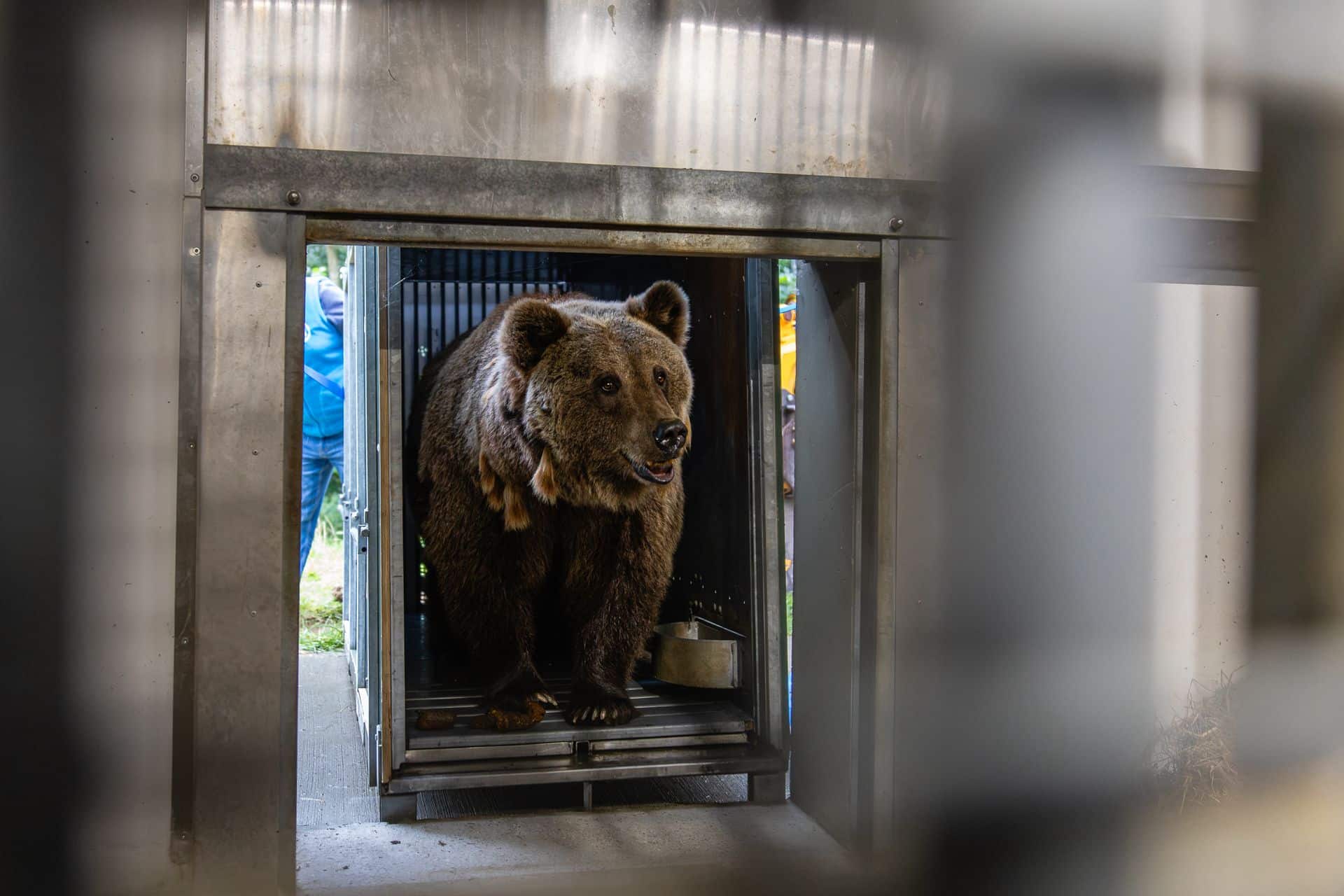
he bears from the Ukrainian sanctuary were transported to the Weidefeld center in Germany by the Dutch specialist company Crossborder Animal Services B.V., covering a distance of nearly 1,300 kilometers.
-
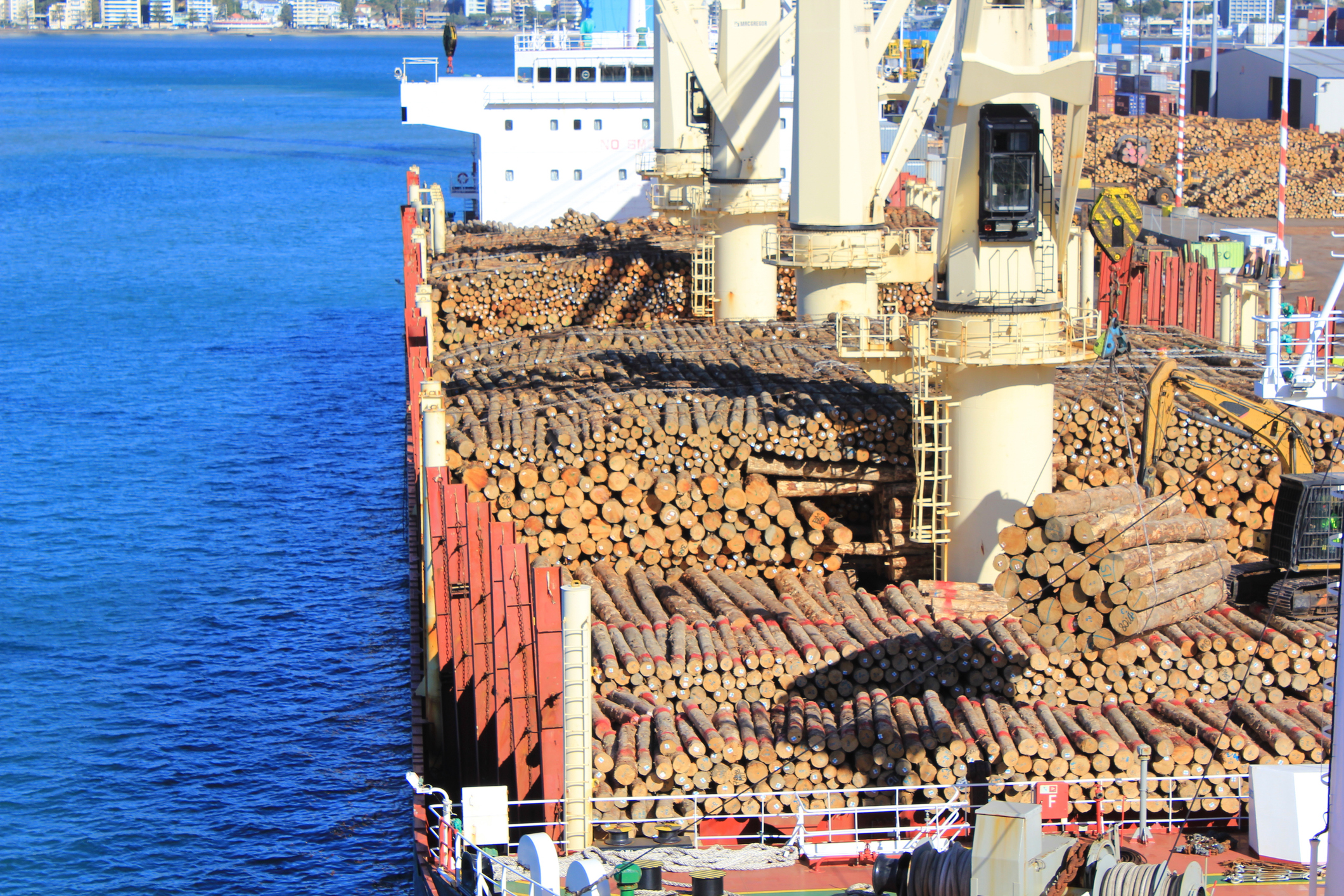
Timber Trade in the EU Requires Compliance with Strict Regulations. What Should Importers Know?
An importer bringing timber into the EU for commercial purposes must be registered as a so-called professional operator with the National Plant Protection and Seed Inspection Service (WIORiN) and hold an account in the TRACES NT system. In Poland, this registration — through entry in the official register of professional operators — is required prior to importing plants and plant products, including timber.
-
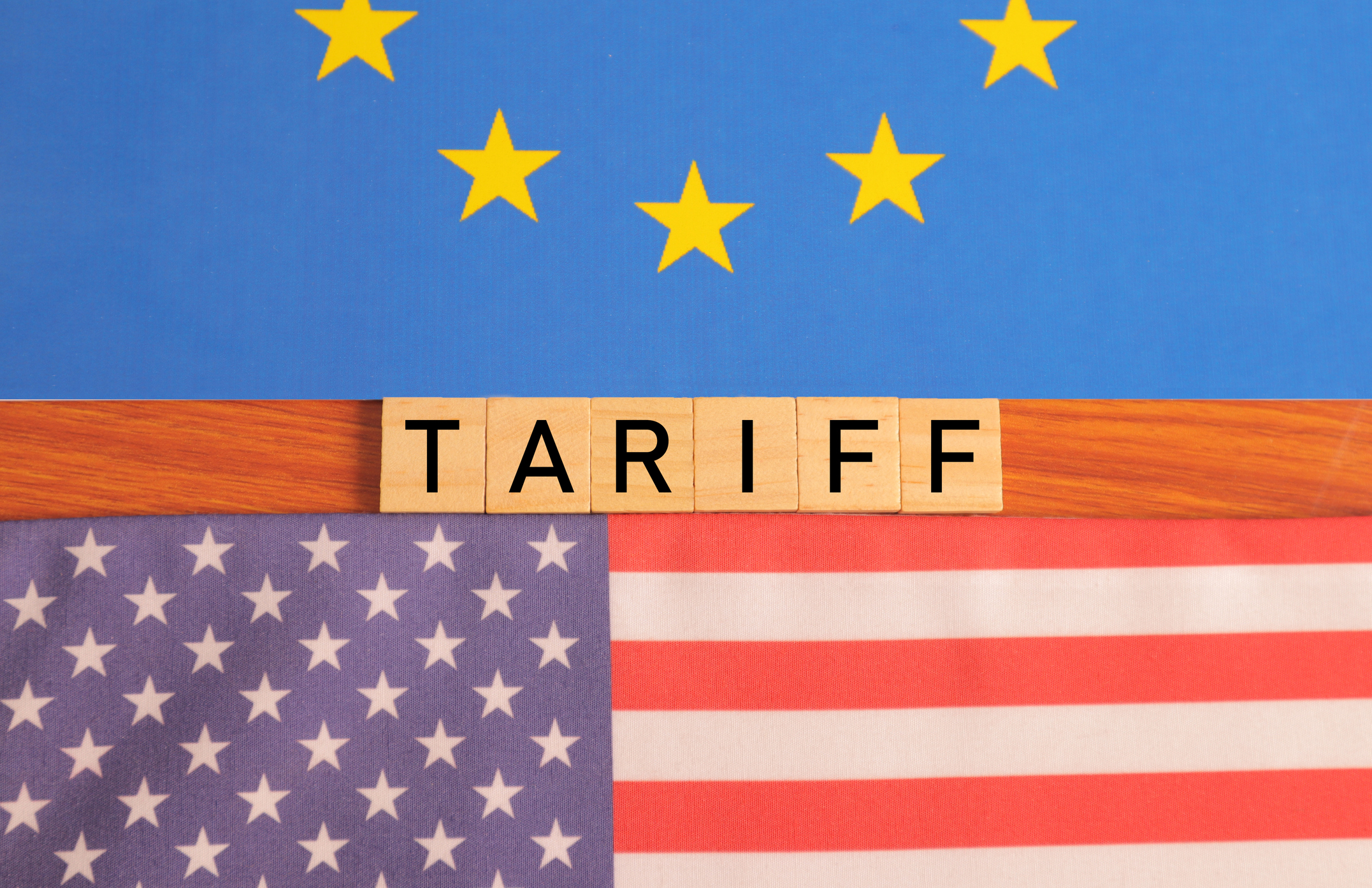
Trump’s Customs Policy: Polish Companies Facing New Trade Challenges
Companies should consider using special customs procedures, such as inward processing, temporary importation, or customs warehousing. These instruments can help gain time and flexibility under current conditions. In 2025, it will be crucial not only to monitor changes but also to respond proactively and build supply chain resilience. This requires close cooperation with customs experts, who can not only help interpret the new regulations but also support strategic planning and risk management.
-
Lions, breaching kits, armoured vehicles. What does customs clearance for unusual goods look like?
The list of goods cleared by customs agencies reflects the richness of international trade. These include cutlery, doormats, saunas, cod livers, pig ears, sheepskins, violins, porcelain, excavators, felt-tip pens, bottles, iPads, iPhones, drones, coal, soda, sex toys, live aquarium fish, scrap metal crushers and many others. Working in customs clearance involves constant learning and adapting to new situations. Every day can bring a completely new challenge that requires knowledge not only of customs regulations, but also of the specifics of a given industry or product.